
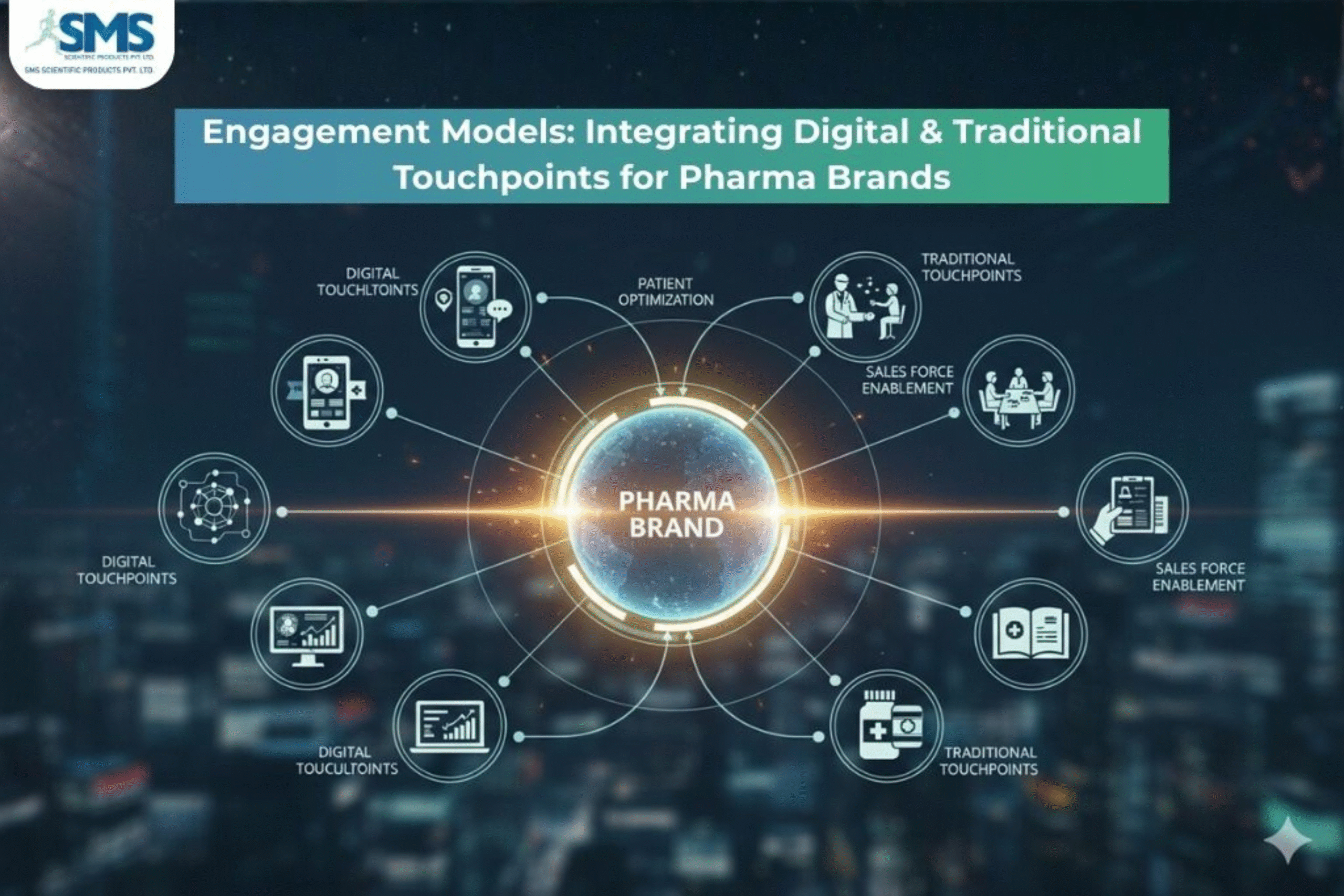
Learn how pharma brands can orchestrate digital and traditional channels—sales reps, webinars, portals, telehealth—to deliver a consistent voice, optimize the customer journey, and measure ROI, all while adhering to UPCMP guidelines.
Introduction
In today’s fast-evolving pharmaceutical landscape, brand managers face pressure to do more than just run campaigns. Patients and healthcare professionals expect seamless, relevant experiences across every touchpoint—whether digital or face-to-face. Integrating traditional channels like sales reps with digital tools such as portals, telehealth, or webinars is no longer optional—it’s essential for building trust, educating patients, and driving impact, especially in areas like patient education, doctors’ consultation tools, scientific brand reminder inputs, and patient awareness initiatives by pharma sponsors.
This article breaks down:
- The main channels you should consider,
- Best practices for orchestrating them,
- How to maintain consistency in brand voice,
- How to optimize the customer (HCP & patient) journey,
- How to measure ROI by channel,
- Tools & technologies to support all this.
Let’s dive in.
1. Overview of Key Channels
Here are traditional & digital touchpoints pharma brands should integrate:
| Channel | Strengths | Challenges |
| Sales reps / Field force | Personal connection; can tailor discussions; samples; direct feedback from HCPs. | Costly; limited reach; regulatory scrutiny; scheduling constraints; field force burnout. |
| Webinars / Virtual Events | Scalable; can deliver scientific content; useful for doctors consultation tools; reach across geographies. | Engagement often drops; timing issues; non-interactive formats may bore participants. |
| Portals / Knowledge Hubs | Always-on resource; supports patient education desktops; scientific brand reminder inputs; “pull” type content. | Needs regular upkeep; content must be approved and updated; navigation & UX must be good. |
| Telehealth / Remote Consultation Tools | Enables direct patient-HCP interactions; supports patient awareness inputs; convenient especially in remote or pandemic settings. | Regulatory & privacy requirements; integration with clinical workflows; varying acceptance among HCPs. |
| Traditional Media & In-person Touchpoints (conferences, print, sales calls) | High credibility; strong for branding; face-to-face builds trust. | Cost; reach limitations; hard to scale; less trackable in real time. |
To orchestrate them well means not just using multiple channels, but making them work together in a coherent journey.
2. Orchestration: Making Channels Work Together
- Define the Journey Map for Each Persona
Identify key personas—HCPs, patients, caregivers—and map their engagement journey from awareness → consideration → decision → follow-up. For example, a doctor might first encounter scientific brand reminder inputs via a virtual journal, then attend a webinar, then get a follow-up from a rep. On the patient side: awareness from patient education desktops/portals → telehealth consultation → ongoing reminders. - Align Messages Across Touchpoints
Ensure your messaging—whether from a rep, portal, tele-consultation tool, or webinar—is consistent in voice and content. If your scientific brand reminder input says “evidence-led”, then your webinars and patient education inputs must reinforce that, not contradict. - Harmonize Timing and Frequency
Too many messages across channels can overwhelm; too few lead to drop-off. Use a mix of real-time analytics and feedback to pace outreach. For example, after someone views a patient education desktop article, trigger a webinar invite; after the webinar, follow up with a rep touch or telehealth promo input.
Feedback Loops & Cross-Channel Triggers
Digital channels (webinars, portals) give you data: which doctor opened what, which topic had highest interaction. Use that to inform where sales reps focus, or where to build more tools (e.g. doctors consultation tools). Cross channel triggers help avoid silos.
3. Best Practices
3.1 Consistent Brand Voice & Compliance
- All content—promo, non-promo, scientific brand reminders, patient education inputs—must align with regulatory guidelines (e.g. UPCMP, local rules).
- Have centralized content approval mechanisms. Medical, legal, regulatory (MLR) teams should review all creative inputs.
- Use style guides (tone, terminology). For example, when talking about patient awareness or doctors consultation tools, define approved vocabulary.
- Always ensure transparency: disclosable sponsorship, date/version of content, sources, etc.
3.2 Customer Journey Optimisation
- Segment your audience (doctors, specialists, patients, caregivers) by needs, digital behaviour, preferred channels.
- Use personalization: tailor messaging (scientific vs clinical vs patient outcomes), format (video, text, interactive), and timing.
- Make content accessible: mobile-friendly portals, telehealth tools; ensure UX is clean, simple.
- Provide pull content (“always on” portals) so users can access what they want when they want.
- Support with after-care or follow-up (e.g. reminders, consultation tools, follow-ups from sales reps).
3.3 Measuring ROI of Each Channel
- Define leading and lagging metrics. For example:
- Leading: webinar attendance, portal visits, content download, telehealth consultation requests.
- Lagging: prescriptions, brand awareness surveys, repeat patient usage.
- Leading: webinar attendance, portal visits, content download, telehealth consultation requests.
- Use unified dashboards that pull in data from all channels (digital & traditional).
- Attribute properly: e.g., what portion of a prescription lift came from webinar + digital vs. rep visits. Multi-touch attribution matters.
- Establish KPIs per channel and for the journey as a whole (awareness → action).
4. Tools & Technologies That Help
- CRM Systems: To capture all touchpoints—sales rep visits, telehealth consultations, webinar attendance. Helps build 360-degree view.
- Marketing Automation Platforms: For drip email campaigns (patient awareness inputs, patient education desktops), triggered messaging (after content download, etc.), lead scoring.
- Analytics & Dashboard Tools: To monitor engagement metrics in real-time, dwell times, drop-offs; to compare performance across channels.
- Content Management / Portals & Learning Management Systems (LMS): To host educational content, scientific brand reminders, training modules for HCPs and patients.
- Telehealth / Virtual Consultation Tools: To enable remote doctor-patient interactions; integrated with CRM/data to capture results.
- Compliance & Approval Workflows: Tools that enforce content being vetted (e.g. MLR).
- Behavioral / AI-Driven Tools: To understand preferences, optimize timing, suggest next-best interactions.
5. Voice Search & SEO Considerations (AEO / VSO Optimisation)
Since many HCPs & patients now use voice-search (via assistants) or natural query style, make sure your content supports that:
- Use question-based headings: “How can doctors consultation tools enhance patient outcomes?”, “What are patient education desktops and why are they important?”
- Include FAQs that answer likely spoken queries.
- Use natural language, conversational tone in sections that may appear in featured snippets.
- Optimize meta titles / descriptions to include keywords like patient education, doctors consultation tools, initiative by pharma sponsors, while still staying compliant.
6. Putting It All Together: Sample Engagement Model
Here’s a sample integrated journey for a brand launching a new therapeutic area:
- Awareness & Patient Education Inputs
- Launch a patient education portal / desktop tool with clear information, backed by scientific brand reminder inputs.
- Publish blogs, use social media, run webinars for both patients and HCPs.
- Launch a patient education portal / desktop tool with clear information, backed by scientific brand reminder inputs.
- HCP Engagement & Doctors Consultation Tools
- Sales reps visit with supporting materials.
- Virtual webinars offering case studies, clinical data.
- Provide interactive tools so HCPs can simulate treatment outcomes.
- Sales reps visit with supporting materials.
- Support & Follow Up
- Telehealth tools for patients to consult with HCPs.
- Reminders (non-promotional) about treatment adherence via portal/emails.
- Periodic updates/scientific brand inputs via portal or newsletters.
- Telehealth tools for patients to consult with HCPs.
- Measurement and Feedback
- Use dashboards to monitor which HCPs attended webinars, downloaded tools, and how patients use telehealth.
- Survey brand recall, awareness.
- Calculate ROI by channel and shift resources accordingly.
- Use dashboards to monitor which HCPs attended webinars, downloaded tools, and how patients use telehealth.
Conclusion
For pharma brands, integrating digital & traditional touchpoints is no longer a futuristic ambition—it’s now a core component of successful engagement.
When channels are orchestrated, messages are consistent (especially under UPCMP and other guidelines), customer journeys are well-mapped, and appropriate tools are leveraged, brands can deliver better patient education, stronger doctors consultation tools, more effective scientific brand reminder inputs, and impactful patient awareness initiatives.
FAQs
Q: What is UPCMP, and why does it matter for channel orchestration?
A: [Define briefly UPCMP] It sets regulatory boundaries for promotional materials, requiring medical-legal review, accuracy, and truthful info. Ensures all channels (digital or face-to-face) adhere to the same standards.
Q: How do you ensure that patient education desktops are used effectively?
A: Make them easy to navigate; ensure content is relevant, updated; tip: combine with promotional initiatives, telehealth, and follow-ups; use feedback loops.
Q: How do you decide the mix between digital vs traditional reps for HCP engagement?
A: It depends on the HCP persona, geography, specialty, channel preference, cost efficiencies, and regulatory constraints. Data (surveys + behavioral analytics) helps decide.

